
Author

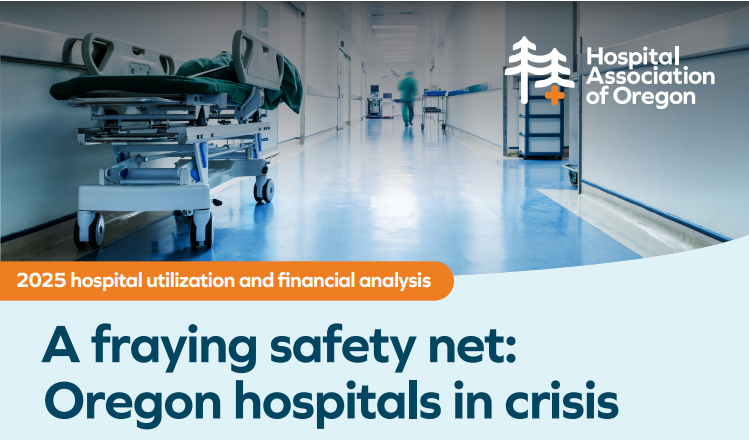
“For safety-net hospitals, rural hospitals and community providers already operating on razor-thin margins, further cuts will push some to reduce even more services or close altogether. When that happens, access to care suffers — not in theory, but in real and immediate ways. Emergency departments become overcrowded. Patients travel farther for basic services. Preventive care declines, leading to worse outcomes and higher long-term costs.”
Sounding the alarm from one of the largest health care providers in San Diego and Imperial counties, Scripps Health is preparing for the impacts of H.R. 1. “At Scripps Health, we estimate the impact at more than $100 million per year, and we will need to adjust the services we provide to offset this impact,” its President and CEO shared in a recent Becker’s article.
The article highlights how federal policy changes, including H.R. 1 and proposed additional cuts, are destabilizing hospitals nationwide. For rural health systems, these pressures are even more acute. Unlike large urban systems, rural hospitals operate with structural constraints that make absorbing cuts nearly impossible:
- Higher fixed costs per patient, because essential services cannot be consolidated or reduced without eliminating access entirely.
- Heavy reliance on Medicare and Medicaid, which reimburse below the cost of care and make up a disproportionate share of rural payer mix.
- Limited commercial insurance presence, reducing the ability to offset losses through higher-paying plans.
When a large, diversified system like Scripps says the “house of cards” has collapsed, rural hospitals are already standing in the rubble. Without meaningful policy solutions, continued cuts will accelerate service reductions, workforce shortages and hospital closures across rural America — leaving entire communities without access to essential care.
The challenges ahead are significant, but they are not insurmountable if we face them together. We ask our community to stay engaged, support local health initiatives and advocate for policies that keep care accessible in rural areas. Every message sent, every story shared and every voice raised helps protect the future of health care in southern Oregon.