
Author

On AsanteIMPACT, we are working to demystify the often complicated and complex topics impacting health care. This week we’re diving into the impacts of recent changes to the Affordable Care Act, also known as Obamacare, and why these changes alone are leading to an increase in headwinds for patient care.
The expiration of health insurance premium subsidies has resulted in more expensive insurance premiums and, as a result, less insured Americans. This puts personal and financial strain on patients, and leads to higher amounts of uncompensated care and charity care for hospitals and providers, creating added financial strain at a time of shrinking operating margins and closures.
The Affordable Care Act cliff
With the implementation of the Affordable Care Act (ACA) in 2010, the country saw huge growth in the number of people who bought coverage through the ACA insurance marketplace. This included people who may have been previously uninsured, were self-employed or who lost coverage through work.
In 2025, ACA marketplace enrollment reached an all-time high, following a multi-year upward trend in enrollment, with around 24.3 million people covered. Often this coverage could be purchased at reduced rates covered through government subsidies and tax incentives.1
At the end of 2025, the marketplace premium tax credits for many enrollees expired – resulting in a sharp increase in premiums for those affected. According to the Kaiser Family Foundation, premium payments for subsidized enrollees have more than doubled in 2026, meaning that to keep the same plan, enrollees had to cover an average of a 114% increase in cost.2
The sticker shock created by these major premium hikes resulted in many patients dropping coverage – ACA enrollment is estimated to decrease by 5.8 to 6.8 million people this year, according to the Kaiser Family Foundation.3
Impact on Oregon providers
Compounded with a growing number of people needing care through Medicaid and Medicare, which reimburses at far less than the cost for care, hospitals and independent providers are already operating on thin or non-existent operating margins. Safety-net hospitals are feeling this strain acutely.
Earlier this year, Former Oregon Governor John Kitzhaber issued a warning that Oregon was “ambling toward a health care implosion” writing,
The infrastructure of our health care system is beginning to crumble, and we haven’t fully grasped the gravity of the situation. Over half our hospitals are operating at a loss, according to Oregon Health Authority data. In December 2023, PeaceHealth’s University District Hospital in Eugene in closed. Ashland Community Hospital will close its birthing center this spring, and stop providing inpatient services. Last year over 1,000 hospital employees were laid off. Across Oregon, medical clinics and practices, especially independent practices, are struggling to remain solvent.4
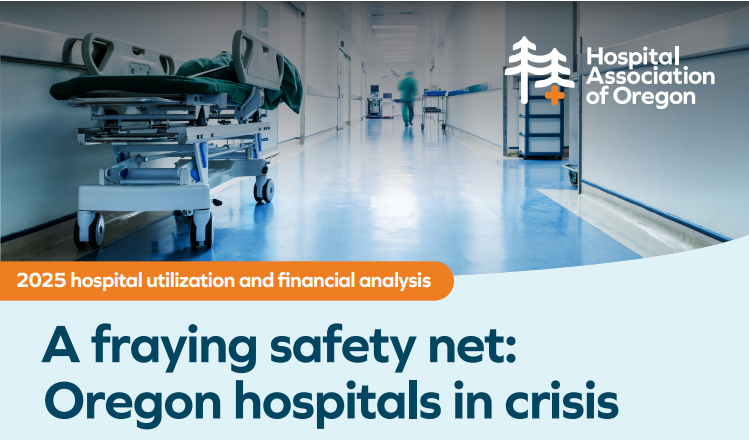
The challenges health care providers are facing have become untenable. As with many things, the headwinds are often not the result of a singular challenge, but the result of many significant challenges working all at the same time: rising costs, reimbursement by Medicaid and Medicare at less than cost, and increasing regulatory burden.
Without swift action through working together as communities and policy makers, we will continue to see damaging losses to access of care.
Sources:
- Enrollment Growth in ACA Marketplaces, KFF, (April 2, 2025); https://www.kff.org/affordable-care-act/enrollment-growth-in-the-aca-marketplaces/
- How Will the Loss of Enhanced Premium Tax Credits Affect Older Adults? (Feb 26, 2026); https://www.kff.org/affordable-care-act/how-will-the-loss-of-enhanced-premium-tax-credits-affect-older-adults/
- What We Know So Far About 2026 ACA Marketplace Enrollment, Premiums, and Deductibles (May 19, 2026); https://www.kff.org/affordable-care-act/what-we-know-so-far-about-2026-aca-marketplace-enrollment-premiums-and-deductibles/
- John Kitzhaber, The Oregonian, “Opinion: Oregon is ambling toward a health care implosion,” (January 26, 2026), https://www.oregonlive.com/opinion/2026/01/
opinion-oregon-is-ambling-toward-a-health-care-implosion.html.