Author

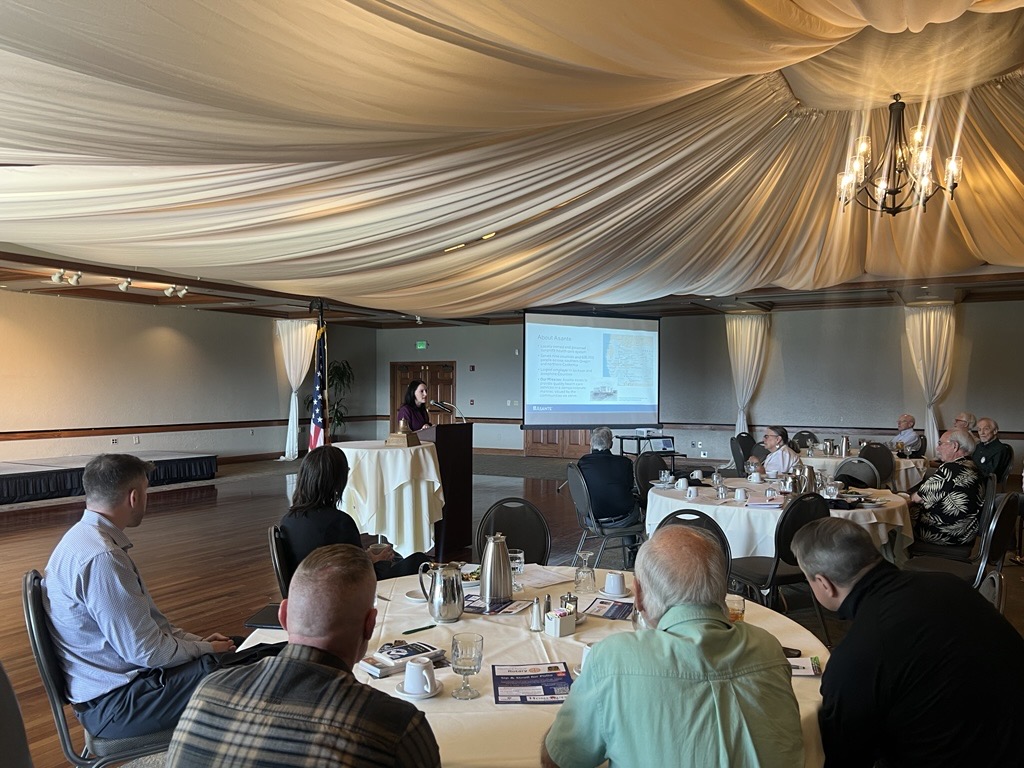
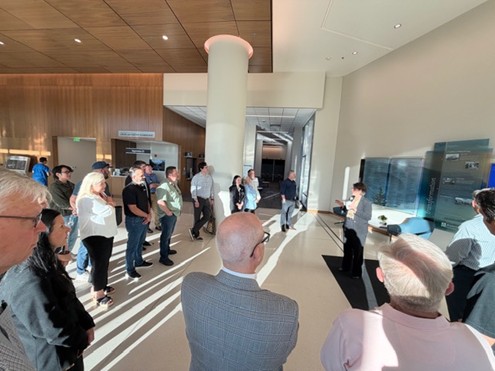
On Jan. 21, an event long-time-in-the-making, took place and inspired many. The Ashland Chamber of Commerce hosted the inaugural Pipeline to Progress: Building the Healthcare Workforce conference at Southern Oregon University, and for many, it sparked new ideas and encouragement for how we solve, and own, a nationwide issue here in southern Oregon.
The health care industry is the largest employer in the country. According to  the Oregon Employment Department, health care-related occupations will grow the fastest of all regional job openings and it is also projected to add the largest number of jobs over the next 10 years (+40,400 jobs). This is driven by growth and workforce replacement. Meeting demand for these roles will require many organizations partnering across industries to ensure people are educated, informed and connected to build the workforce pipeline locally.
“The health care workforce will need to change and adapt as fast as technology…we have to think innovatively about the next phase.”
Both statements shared by Dr. Shereef Elhahal, OHSU President, as a calling to all the stakeholders present. While the state has been at the forefront of many life-changing technologies and developments, today, we’re facing immense headwinds that demand forward-thinkers and innovators who can be creative to find solutions to stay viable in an unstable economy.
“Fundamentally, we need to encourage policy at the state and federal levels and manage our places well to make this happen.”
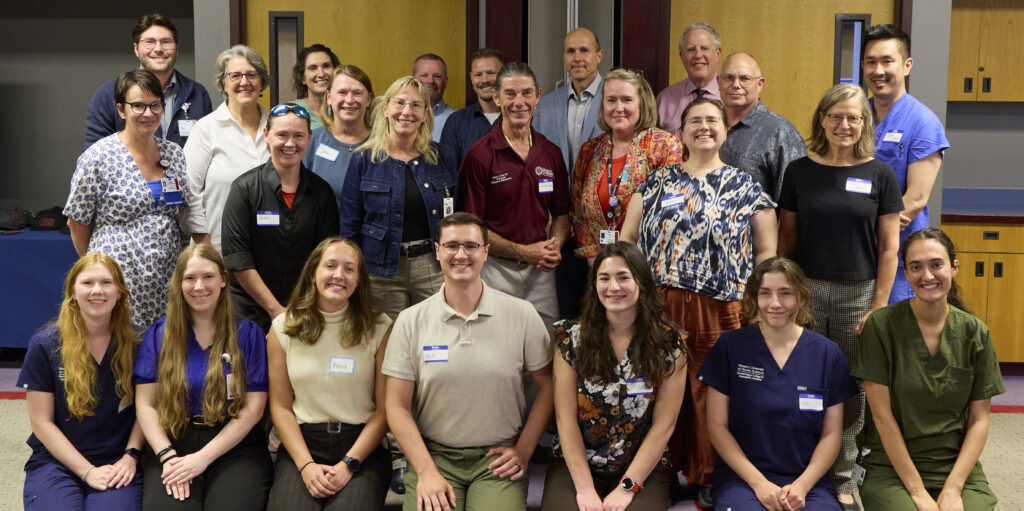
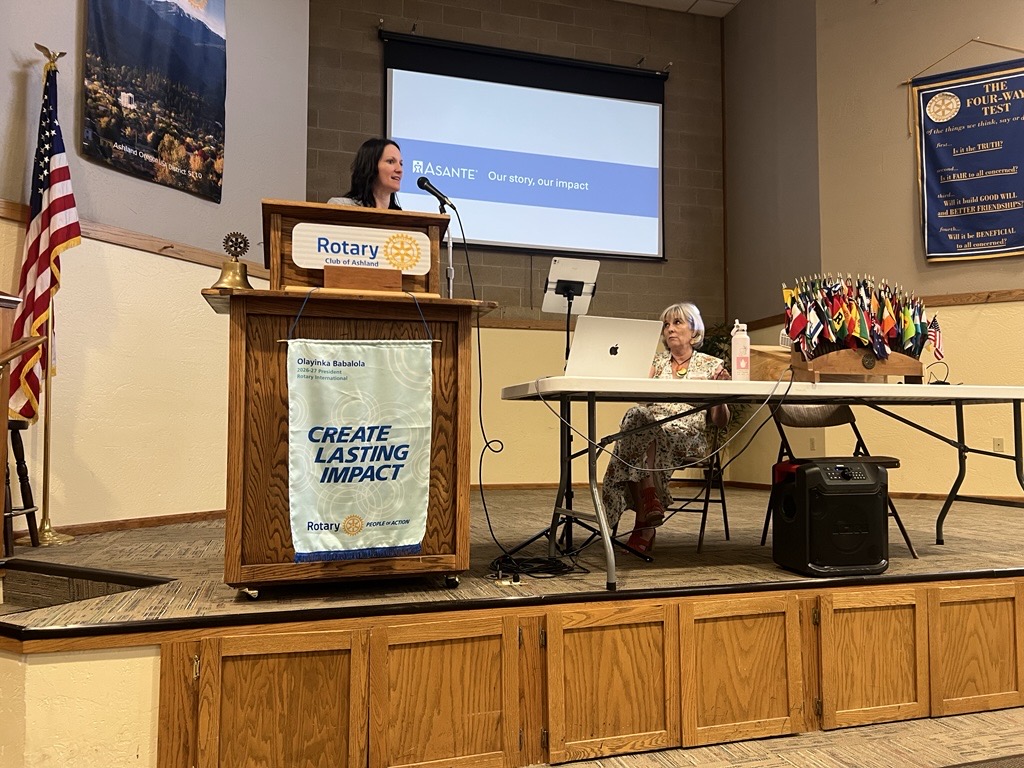
Asante’s Senior Vice President and Chief Operating Officer, Angie Simonson, Ed.D., was among five panelists within education and health care sectors, who exchanged meaningful dialogue about creating pathways from the classroom to the workforce.
Last year, Asante welcomed 169 new grad nurses. This didn’t happen by accident; it is because of meaningful partnerships with education institutions—Rogue Community College, OHSU and Southern Oregon University—who collaborate with Asante in various ways to educate and inspire the future of health care, locally.
A second panel discussed creative solutions and on-the-job training programs to build the local workforce.
La Clinica CEO, Brenda Johnson, poignantly stated, “If people aren’t learning, they’re leaving.”
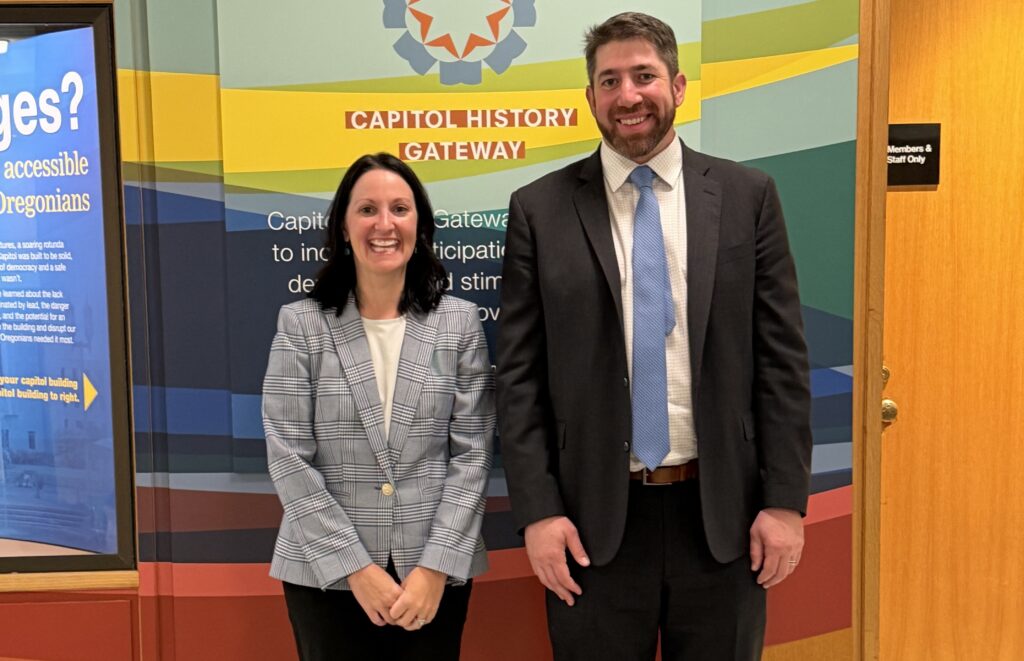
Bottom line—strong advocacy for southern Oregon and creative solutions will help institutions combat the challenges we face today, and the headwinds we are preparing for.
“We must plan for the obstacle.”
As shared in a previous post, a “wait and see” approach is not an option. We need to act now. Whether it’s strengthening relationships across industries to solve a workforce shortage or thinking creatively and making hard decisions to ensure long-term viability, it’s up to us, southern Oregon, to lean in and advocate for what matters most—our communities.